1.2.1 Grammar

Have you ever talked about a person or thing and wanted to include more information about them? As we begin to study a language, it is normal to use sentences that are as simple as possible: subject, verb, predicate. But as we level up, we need to introduce relative clauses or sentences with relative pronouns like who, which, whose or that.
So, first of all, what is a relative pronoun?
A relative pronoun is a word that joins a phrase to a sentence. The best way to explain this topic is with an example:
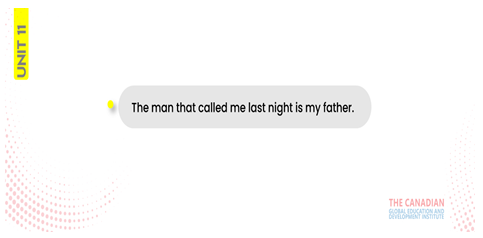
The word That is a relative pronoun that replaces the expression “The man” and introduces a phrase to the sentence. The phrases that are added through the words that, which, who, whom, whose are known as relative phrases or clauses.
Thus, relative clauses are used to identify, define or classify a thing or a person in a sentence. To do this, the relative pronouns “who”, “which” and “that” will be used. These pronouns are the ones that will identify the beginning of the relative clause.
Now, to begin to understand these pronouns, we first need to review relative clauses in English.
Relative clauses are those that perform the subordinate function with respect to a main clause, adding more information about a thing or a person that had already been mentioned before. For example:

In this case, the main sentence would be “The cushions are purple and green” and the secondary or subordinate sentence would be “The cushions are on the couch.” To unite both we use the relative pronoun that, which refers to cushions.
There are two main types of relative clauses:
• Defining relative clause: these types of sentences give necessary information to understand what we are referring to and do not contain commas. Example:
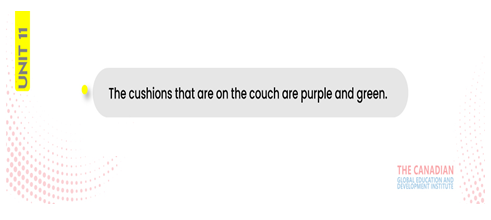
In the previous sentence, if we omit the subordinate clause, we no longer know which cushions we are referring to.
• Non-defining relative clauses (explanatory subordinate clauses): these types of sentences provide additional information about the person or thing we are referring to, but it is not essential to identify it.
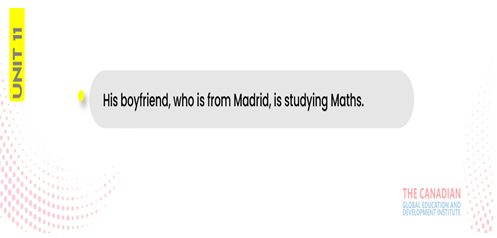
In this last example, the sentence does contain commas. If we remove the relative clause, it is still clear which person we are referring to.
Pronouns for relative clauses: who, which, that and whose.
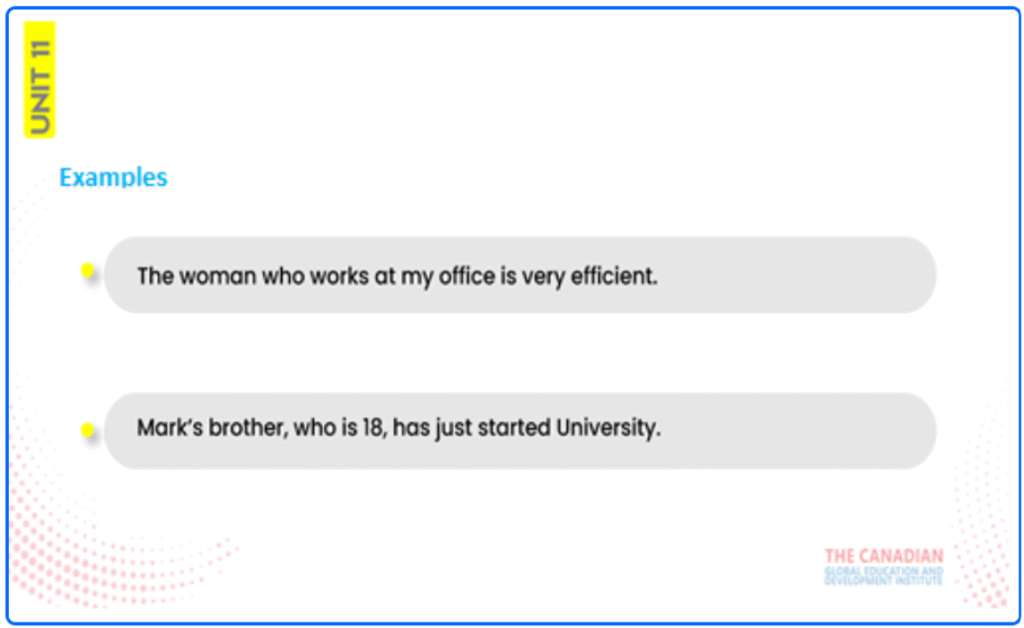
Who
This pronoun is only used to refer to people. It can act as the subject or object of the sentence.
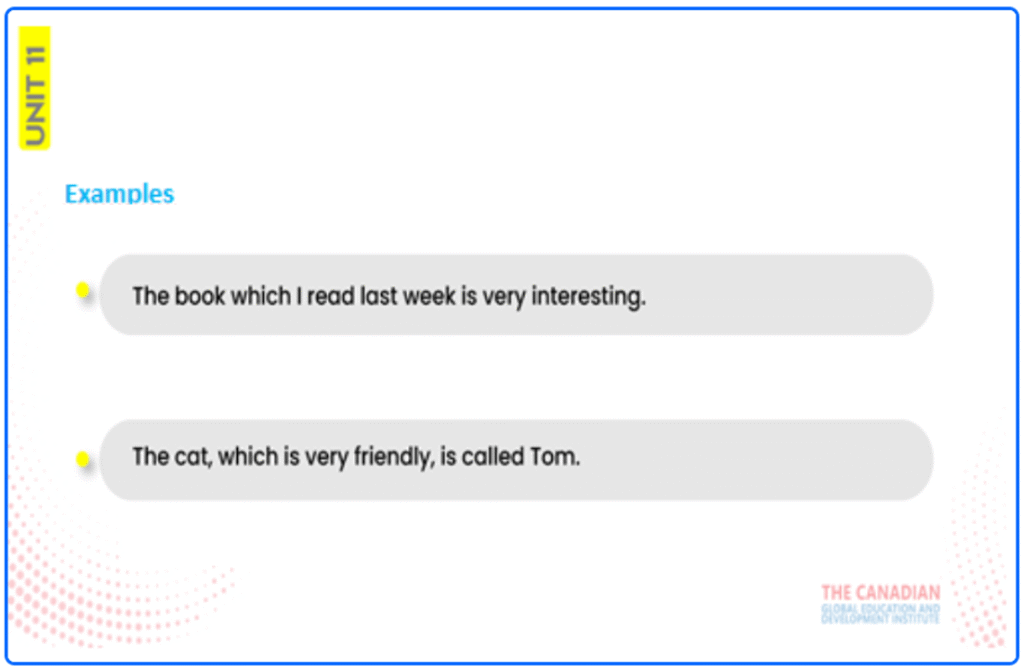
Which
Unlike who, this pronoun only works for things and animals. It can also be the subject or object of the sentence.
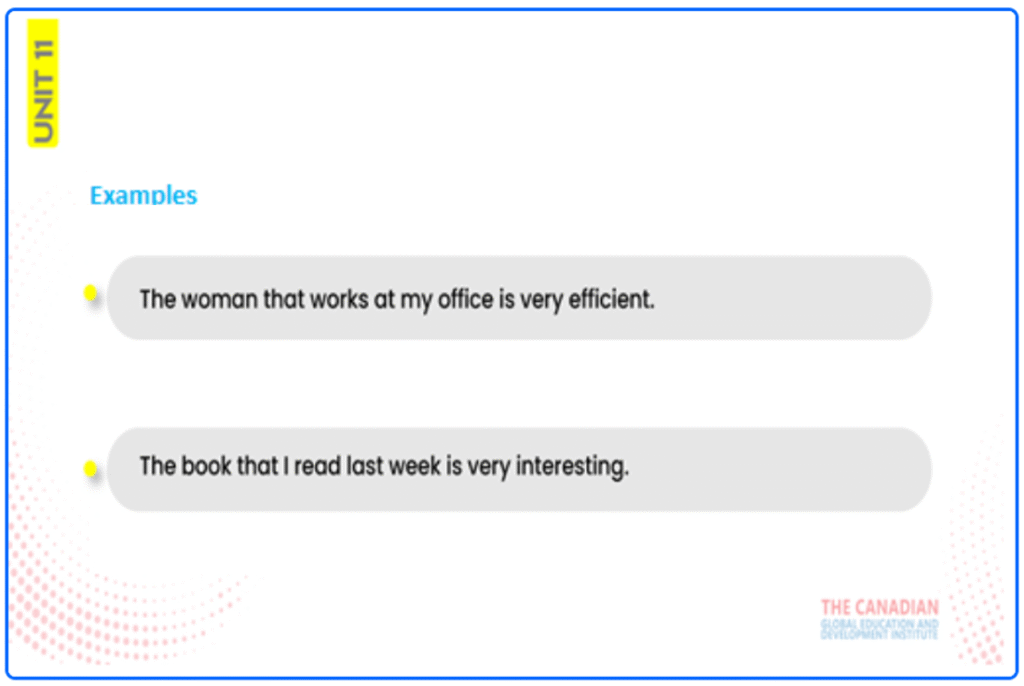
That
This is a pronoun that can be applied to both people and things. Therefore, you can use it to replace both who and which if the context allows it.
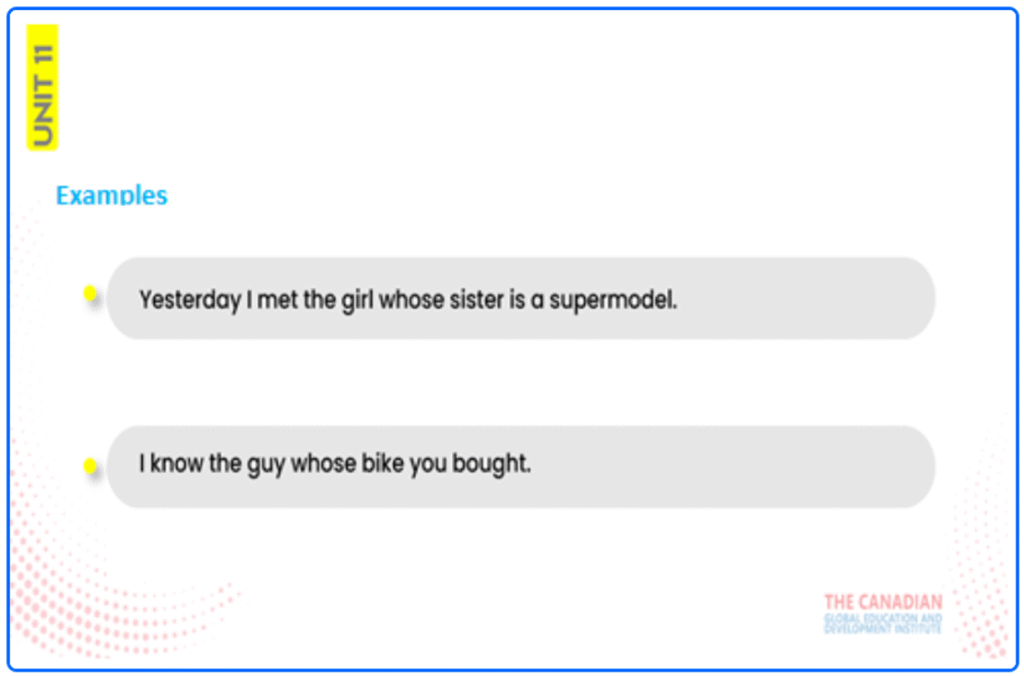
Whose
Finally, we have the pronoun whose, which we should not confuse with who since it acts as a possessive. To better identify it, think that in Spanish it would be translated as whose, whose, whose or whose:
Examples:
Whom
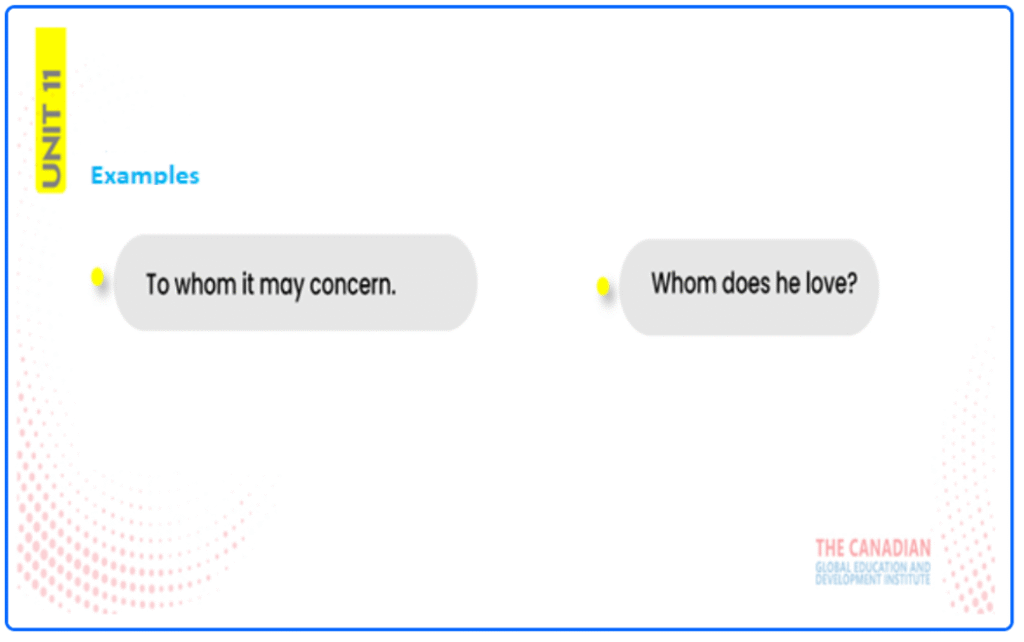
We do not want to fail to mention the relative pronoun who. Although it is rarely used, it can be very useful in formal contexts. The pronoun whom replaces people when they are not the subject of the sentence but are the ones who receive it. That is to say:
Remember
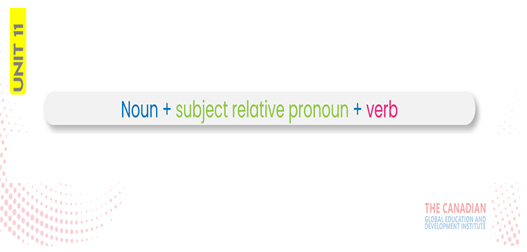
What is the difference between the relative clause with the pronoun functioning as subject and object? Below is an example to detail the difference:
Relative subject clause (using the relative pronoun as the subject)
Object relative clause (using the relative pronoun as an object)
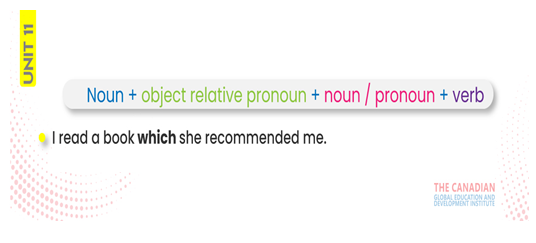
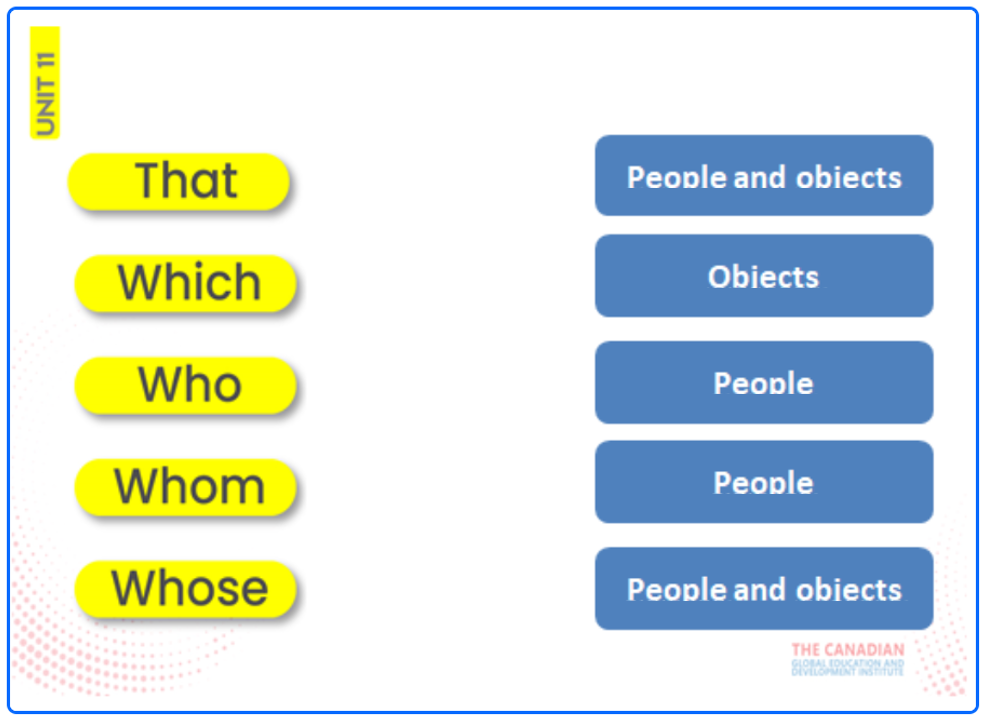
Then, we will use the relative pronouns: “who / which / that” to formulate relative subject clauses, taking into account the identification rules of the illustration presented at the beginning.
Uses of relative subject clauses
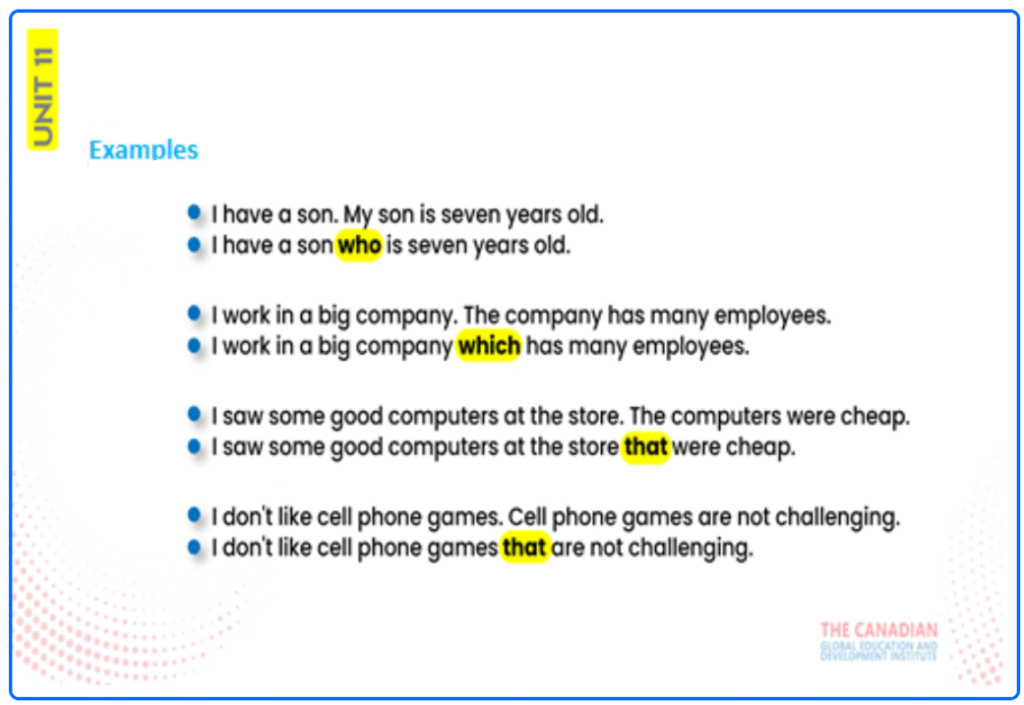
And in all this, what purpose will it be for us to know the use of relative clauses? A basic use is to join two sentences to form a single sentence without modifying the general meaning. The idea is to join two sentences into one using the appropriate relative pronoun.
Questions using relative pronouns
Here are some examples of questions in which relative pronouns are used, note that the same rules apply in this case:
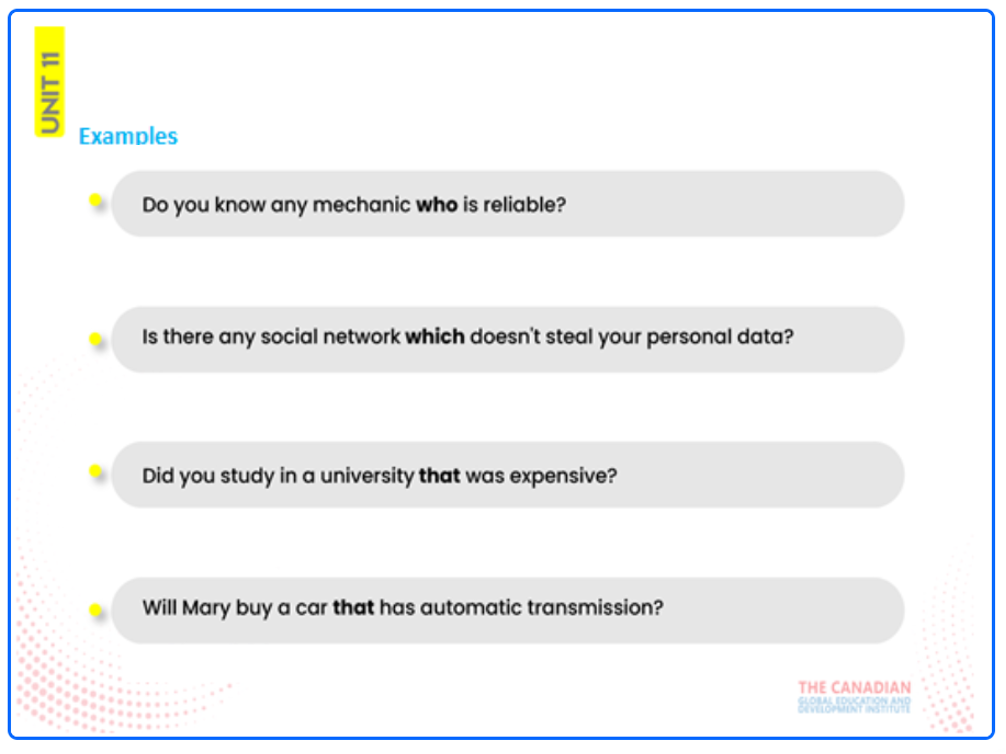
As you can see, the questions are structured in different times. What matters is identifying the noun being talked about (whether person or thing) and accordingly using the appropriate relative pronoun.